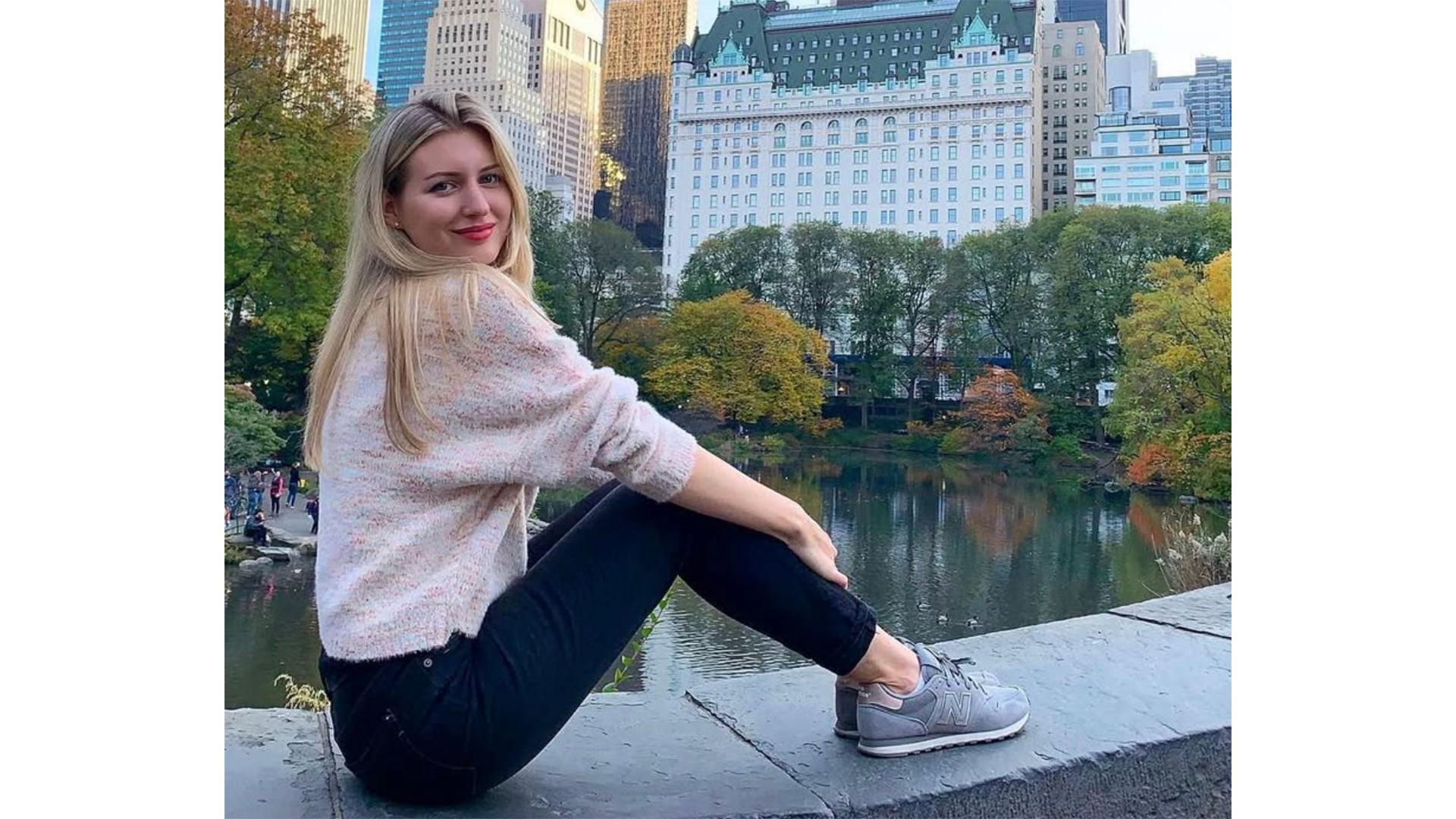


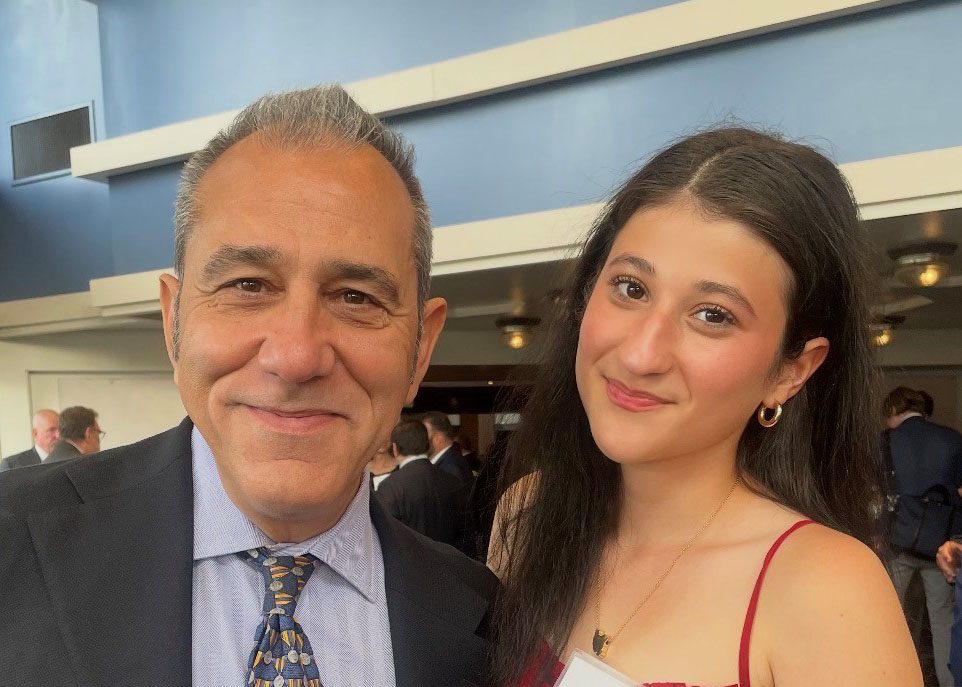
Parisa Salehi and her uncle, Emad Shargi
By Parisa Salehi
I found out from Google that my uncle was being held hostage in Iran. At 11 years old, I was intrigued by researching each of my family members online. And that’s how it happened – as I sat at my corner desk on the family desktop computer, I googled “Emad Shargi.” One key word caught my eye: “arrested.” Suddenly, I found myself living in a familial web of confusion and distress. For three years, I had been misled by the idea that my uncle was living peacefully in Iran, his motherland, and was solely waiting for his passport issues to be resolved so he could come back home to Washington, DC.
I wasn’t aware at that time of the nuances that existed in incarceration, especially in countries outside the United States. Getting arrested always meant the same thing to me; crime or something illegal. But I would soon be exposed to the terrifying world of “hostage diplomacy,” and would be forced to learn that in some countries, an innocent person can be imprisoned because their passport has a high negotiating value. Most importantly, I would also experience firsthand the familial impact hostage diplomacy has on everyone in its path.
On a personal level, I felt lost. My family felt detached. I stand by the fact that one of the hardest things for a young girl to see is her loved ones in pain. That is exactly what I witnessed for the next three years and while maybe I was not as affected as others in my family, especially my uncle’s wife and daughters, my life too had forever changed. Some of the most difficult moments from that period in my life I think I have blocked from my memory; still, others remain and recur. My days were measured by how distraught my parents were and, as expected, the inconsistency of that life weighed heavily on me.
The hardest part of my ordeal was that, to my peers, my life was seemingly normal. While many of them knew of my uncle’s case (I was very vocal about it), the temporary loss of an uncle did not seem especially significant to them. On the one hand, given my young age, I had limited memories of my uncle and nothing seemed directly missing. But part of me recognized, even if I couldn’t explain it, that I was secondhandedly experiencing trauma and grief. That’s the thing about hostage diplomacy; it ripples through and affects the entire family ecosystem. My trauma was nothing compared to my uncle’s wife and daughters, but I was not left unscathed either.
For three years, the ambiance of my home shifted, becoming dark and quiet. I imagined that every plane flying overhead was holding my uncle, returning him home so my family could be whole again. That would mean that my mom wouldn’t be on constant telephone calls and that I would never have to hear her cry again. It would mean that the quality of my days would no longer be determined by the decision of some political leaders in a faraway country I had never even visited. In September 2023, the plane I heard overhead did finally bring him home. The relief was not sudden, as I expected it to be; instead it unfurled slowly over the course of weeks, almost anti-climactically, but in a perfect way, and over time, lightness and calm filled my home again.
Parisa Salehi is a rising junior at The Madeira School in McLean, Virginia. Her uncle, Emad Shargi, was wrongfully detained in Iran for 1,975 days and was released along with four other Americans in September 2023.